Introduction
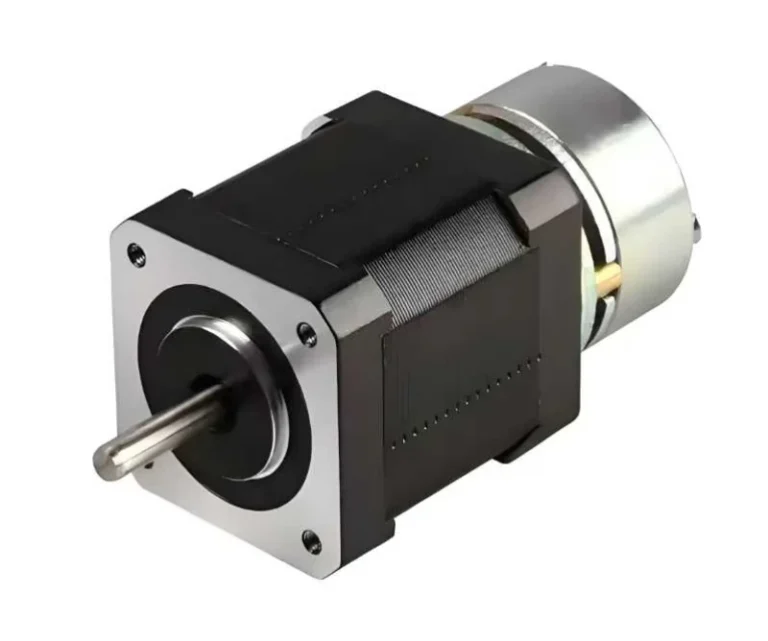
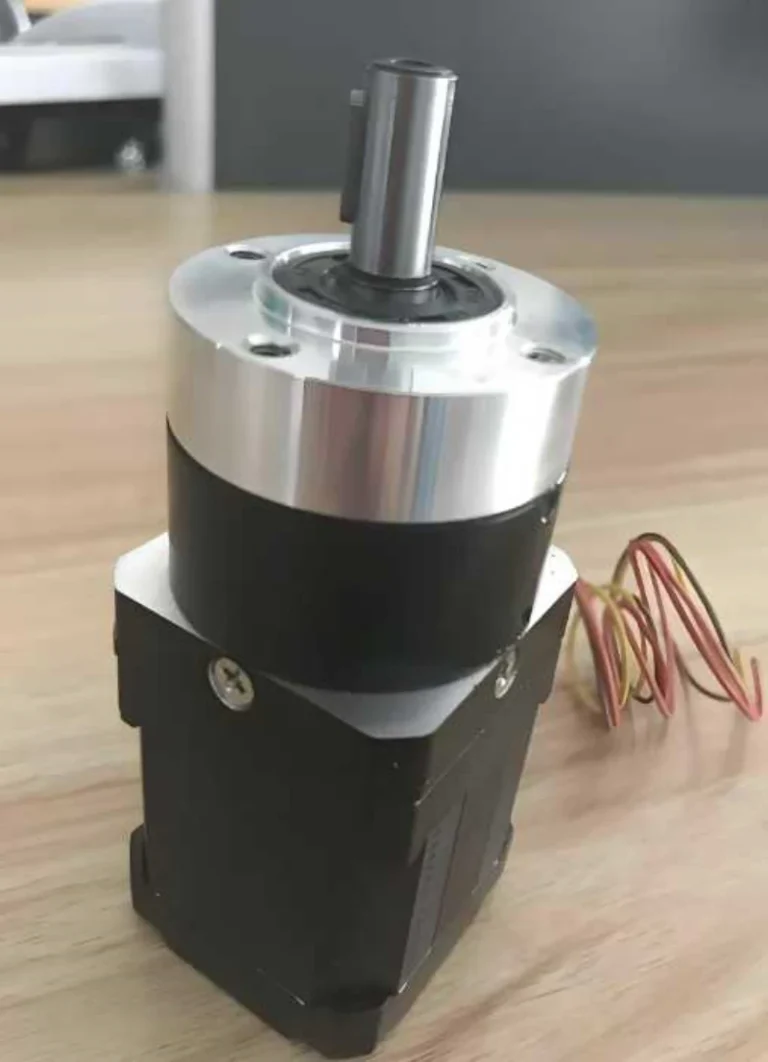
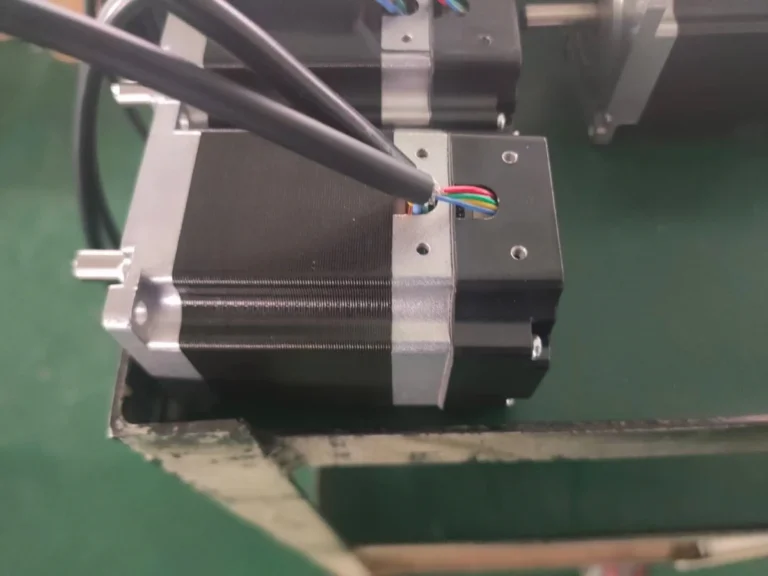
Not all stepper motors are the same. Different types of stepper motors differ greatly in structure, step angle, torque, cost, and applicable scenarios. For engineers and makers, distinguishing between the three mainstream types is the key to correct model selection. This blog comprehensively analyzes PM (Permanent Magnet), VR (Variable Reluctance), and Hybrid stepper motors.
1. PM (Permanent Magnet) Stepper Motor
PM stepper motors are the most basic and cost-effective type. Their rotor is made of permanent magnet materials, while the stator is equipped with multi-phase windings.
Features
- Large step angle (commonly 7.5° or 15°), low positioning accuracy.
- Low torque, small vibration, low noise.
- Simple structure, ultra-low cost, small size.
Applicable scenarios
2. VR (Variable Reluctance) Stepper Motor
VR stepper motors adopt a pure iron tooth rotor without permanent magnets. They rely on the reluctance difference of the magnetic circuit to generate rotational force.
Features
- Small step angle, high rotational speed, fast response.
- No holding torque when power off, poor positioning retention.
- Large operating vibration and noise.
Applicable scenarios
3. Hybrid Stepper Motor (Most Widely Used)
Hybrid stepper motors combine the advantages of PM and VR motors, integrating permanent magnet rotor and tooth-groove reluctance structure. They are the mainstream choice in industrial and embedded fields.
Features
- Small standard step angle (1.8° for two-phase models), high positioning accuracy.
- Large torque, strong load capacity, good static holding performance.
- Balanced vibration and noise, compatible with micro-step drive.
Applicable scenarios
Quick Comparison Table
PM: Low precision, low cost, low torque | VR: High speed, no holding torque, high vibration | Hybrid: Balanced performance, high precision, wide applicability
Summary
Hybrid stepper motors dominate the market due to their comprehensive performance. PM motors are suitable for cost-sensitive low-precision scenarios, while VR motors are only used for special high-speed working conditions. Subsequent blogs will focus on hybrid stepper motor drive and control technology.