

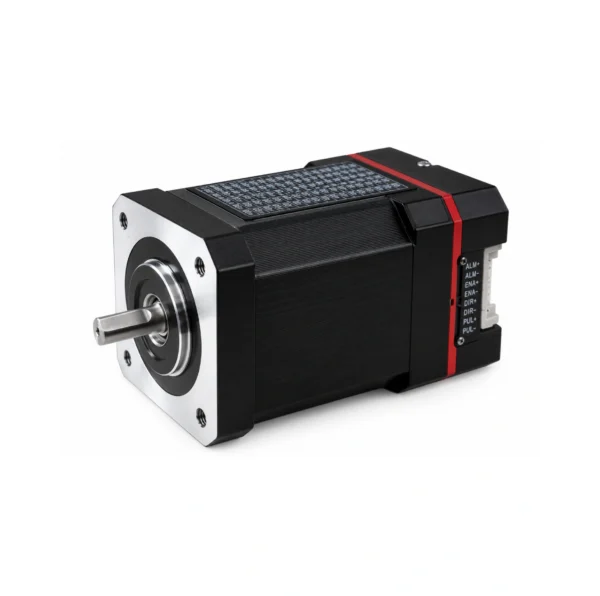
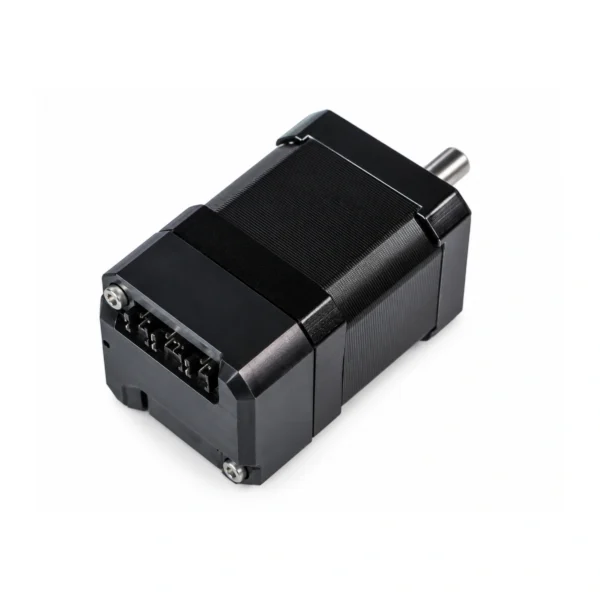
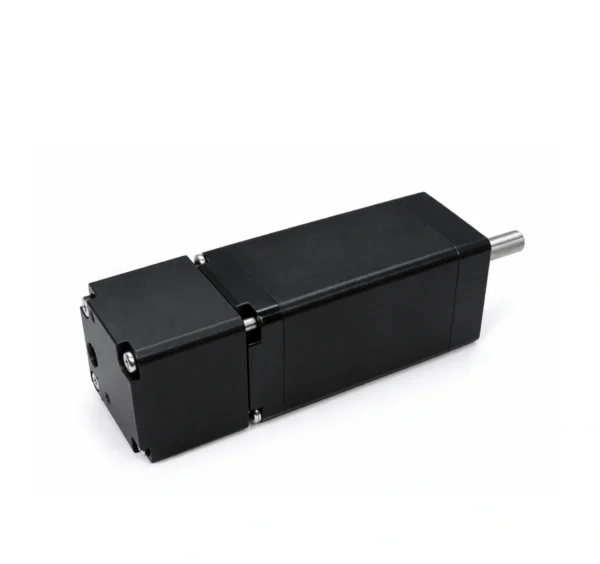
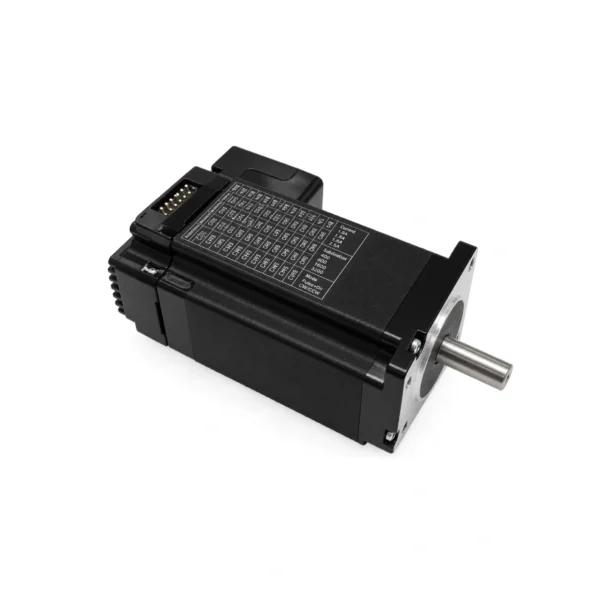
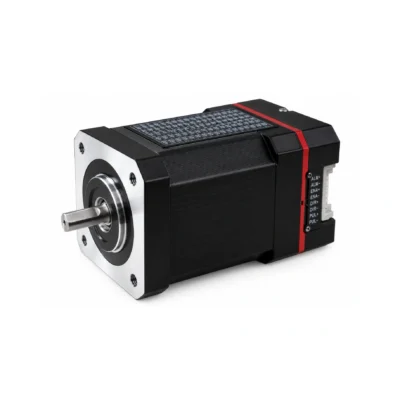
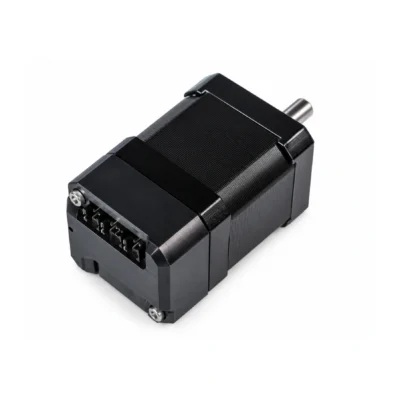
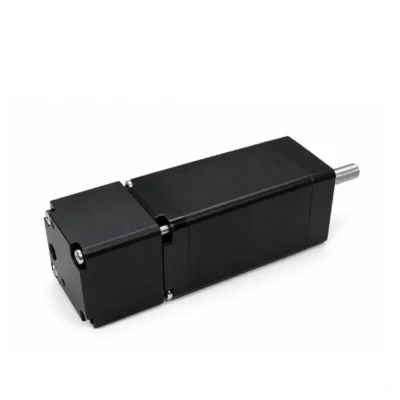
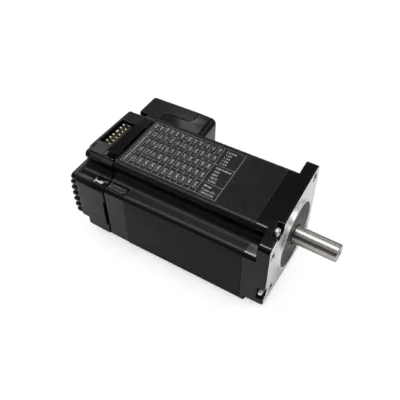
Closed Loop Stepper Motors
HIGH TORQUE · LOW SPEED · COMPACT DESIGN
Gear stepper motors combine the precise positioning characteristics of stepper motors with mechanical gear reduction, providing higher output torque and lower operating speed for demanding motion-control applications.
Key Specifications
- Higher Output Torque
- Low-Speed Motion Control
- Compact & Integrated Design
- Stable Positioning Performance
Overview
Closed Loop Stepper Motors are designed for applications where conventional open-loop stepper motors may not provide sufficient positioning reliability. By incorporating position feedback into the control system, the motor can continuously monitor its actual operating position and respond to motion deviations.
This closed-loop control approach helps reduce the risk of missed steps and improves motion stability under changing load conditions. It is particularly suitable for automated equipment where reliable positioning and consistent operation are important.
The available product range includes multiple motor frame sizes and configurations, allowing the motor to be selected according to the required installation space, torque level, and mechanical requirements.
Key Features
Real-Time Position Feedback
The closed-loop system uses position feedback to monitor motor movement and help maintain the commanded position during operation.
Reduced Risk of Step Loss
Compared with conventional open-loop stepper motor operation, closed-loop control can detect positional deviations and respond accordingly, helping improve positioning reliability.
Stable Motion Under Variable Loads
Feedback-based control is suitable for applications where the motor load may change during operation and stable motion performance is required.
Multiple Frame Sizes
The documented closed-loop range includes 42, 57, 60, and 86 frame sizes, providing options for different equipment designs and installation requirements.
Integrated Motion Control
Closed-loop operation combines motor movement with position feedback, making the system suitable for automated machinery requiring more reliable motion control.
Applications
Closed Loop Stepper Motors can be used in automated equipment requiring reliable and repeatable motion, including:
- Industrial automation equipment
- Precision positioning systems
- CNC and machine tools
- Automated production equipment
- Robotics and handling systems
- Packaging and dispensing machinery
- Motion-control equipment
Closed Loop Stepper Motors Range
| Frame Size | Configuration | Typical Application |
|---|---|---|
| 42 Series | Closed Loop Stepper Motor | Compact automated equipment |
| 57 Series | Closed Loop Stepper Motor | General industrial motion control |
| 60 Series | Closed Loop Stepper Motor | Automated machinery and positioning systems |
| 86 Series | Closed Loop Stepper Motor | Higher-load motion-control applications |
Closed Loop Motion Control
Reliable Positioning with Feedback
In a conventional open-loop stepper system, the controller assumes that the motor follows the commanded movement. Under excessive load, acceleration, or other operating conditions, the motor may lose synchronization with the commanded position.
A closed-loop stepper motor adds position feedback to the motion-control system. The actual motor position can therefore be monitored during operation, allowing the control system to respond when a positional deviation occurs.
This makes closed-loop stepper motors particularly useful for equipment where positioning reliability is more important than simply achieving basic stepper motor motion.
How to Select a Closed Loop Stepper Motor
Selecting a closed-loop stepper motor should consider more than the motor frame size. The required load, motion profile, installation dimensions, operating speed, and control system should all be evaluated.
1. Required Load and Torque
Determine the required operating torque under the actual load conditions rather than selecting the motor based only on frame size.
2. Operating Speed
Motor torque changes with operating speed. The actual speed range should therefore be considered together with the required torque.
3. Installation Dimensions
Confirm the frame size, motor length, shaft configuration, mounting pattern, and available installation space.
4. Feedback and Control Compatibility
The motor and its feedback/control system should be matched with the selected driver and the control architecture of the equipment.
Why Choose Our Closed Loop Stepper Motors
Application-Focused Motor Selection
We help customers select suitable motor configurations according to mechanical requirements, load conditions, operating speed, and control requirements.
Multiple Frame Options
The available product range covers several commonly used frame sizes, providing flexibility for different machine designs.
Complete Motion-Control Support
Beyond the motor itself, we can support motor and driver matching for applications requiring an integrated motion-control solution.
OEM & Customized Requirements
For equipment with specific mechanical or electrical requirements, motor configuration can be evaluated according to the application and available manufacturer options.
Motor Dimensions & Specifications
Detailed dimensional drawings, wiring information, electrical characteristics, and performance data should be checked against the specific closed-loop motor model before mechanical integration.
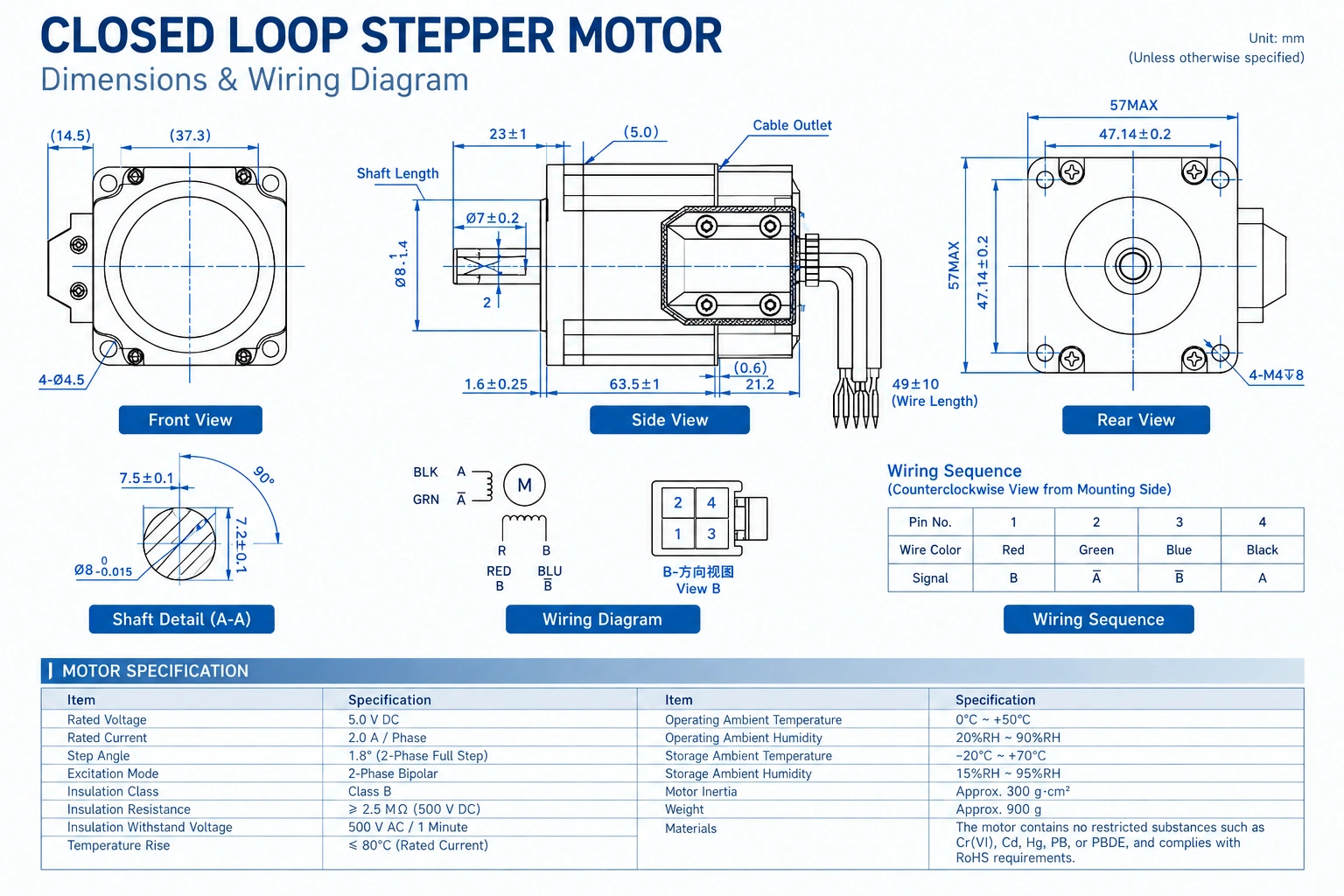
For projects requiring a specific torque-speed range, feedback configuration, or driver combination, please contact us with your application requirements.
FAQ
1. What is a gear stepper motor?
A: A gear stepper motor combines a stepper motor with a reduction gearbox. The gearbox reduces output speed and increases the available output torque, making the motor suitable for low-speed, higher-torque motion applications.
2. Why use a gearbox with a stepper motor?
A: A gearbox can provide mechanical speed reduction and torque multiplication. It is useful when a standard stepper motor cannot directly provide the required output torque or low operating speed.
3. Does a gear stepper motor provide more torque than a standard stepper motor?
A: The gearbox can increase the torque available at the output shaft through mechanical reduction. However, the actual usable output torque depends on the motor, gearbox configuration, reduction ratio, operating speed and application conditions.
4. How do I select the right gear stepper motor?
The main factors include required output torque, output speed, load characteristics, motor size, mounting dimensions and control requirements. For a specific application, these parameters should be evaluated together rather than selecting the motor based only on holding torque.
评价
目前还没有评价